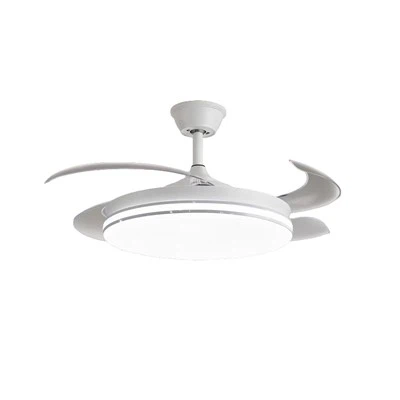

What is the airflow rate of a decorative ventilation fan?
As a supplier of decorative ventilation fans, I often get asked about the airflow rate of these fans. Understanding the airflow rate is crucial for both the functionality and the overall user experience of a decorative ventilation fan. In this blog post, I'll delve into what airflow rate means, how it's measured, and why it matters for your decorative ventilation needs.
What is Airflow Rate?
Airflow rate refers to the volume of air that a fan can move in a given amount of time. It is typically measured in cubic feet per minute (CFM). A higher CFM value indicates that the fan can move more air, which is generally better for ventilation purposes. For example, a fan with a CFM of 2000 can move 2000 cubic feet of air in one minute.
Measuring Airflow Rate
Measuring the airflow rate of a decorative ventilation fan is a technical process. It usually involves using specialized equipment such as an anemometer, which measures the speed of the air moving through the fan. The anemometer is placed in front of the fan, and the readings are taken at multiple points across the fan's face. These readings are then used to calculate the average airflow rate.
Manufacturers often conduct these tests in a controlled environment to ensure accurate results. However, it's important to note that the actual airflow rate in a real - world setting may vary due to factors such as the fan's installation, the surrounding environment, and any obstructions.


Why Airflow Rate Matters for Decorative Ventilation Fans
- Ventilation Efficiency: A higher airflow rate means that the fan can effectively remove stale air, odors, and moisture from a room. For instance, in a bathroom, a fan with a high airflow rate can quickly eliminate steam and prevent mold growth. In a kitchen, it can remove cooking fumes and keep the air fresh.
- Comfort: Adequate airflow helps to create a more comfortable environment. It can circulate the air, making the room feel cooler in the summer and more evenly heated in the winter. This is especially important for living spaces where people spend a lot of time.
- Energy Efficiency: While a high - airflow fan may seem like it would consume more energy, modern decorative ventilation fans are designed to be energy - efficient. By choosing a fan with the right airflow rate for your space, you can achieve good ventilation without using excessive energy.
Factors Affecting Airflow Rate
- Fan Size: Generally, larger fans have a higher airflow rate. A larger blade diameter allows the fan to move more air with each rotation. However, the size of the fan should also be appropriate for the room it's installed in. A very large fan in a small room may not be as effective as a properly sized one.
- Motor Power: The power of the fan's motor plays a significant role in determining the airflow rate. A more powerful motor can spin the blades faster, resulting in a higher CFM. However, it's important to balance motor power with energy consumption.
- Blade Design: The shape and pitch of the fan blades can affect the airflow rate. Well - designed blades can move air more efficiently, increasing the overall CFM.
Airflow Rate for Different Types of Decorative Ventilation Fans
- Decorative Outdoor Ceiling Fans: These fans are designed to be used in outdoor spaces such as patios and porches. They typically need to have a relatively high airflow rate to combat the outdoor elements and keep the area comfortable. A good outdoor ceiling fan may have an airflow rate of 3000 - 5000 CFM.
- Vintage Decorative Fan: Vintage fans are often more about aesthetics, but they still need to provide adequate ventilation. While their airflow rate may not be as high as some modern fans, they can still move a sufficient amount of air to create a pleasant atmosphere. Vintage fans may have an airflow rate in the range of 1500 - 2500 CFM.
- Decorative Ceiling Fans with Lights for Living Room: These fans are a popular choice for living rooms as they combine functionality with style. They usually have an airflow rate that is suitable for the size of the living room. For a medium - sized living room, an airflow rate of 2000 - 3500 CFM is often sufficient.
Choosing the Right Airflow Rate for Your Space
When choosing a decorative ventilation fan, it's important to consider the size of the room. As a general rule, you should aim for an airflow rate of 1 CFM per square foot of the room. For example, if your room is 200 square feet, you would need a fan with an airflow rate of at least 200 CFM. However, if the room has high ceilings or is used for activities that generate a lot of heat or moisture, you may need a higher airflow rate.
Conclusion
The airflow rate of a decorative ventilation fan is a key factor in its performance. By understanding what airflow rate is, how it's measured, and how it affects the functionality of the fan, you can make an informed decision when choosing a fan for your space. Whether you're looking for a Decorative Outdoor Ceiling Fans, a Vintage Decorative Fan, or a Decorative Ceiling Fans with Lights for Living Room, the right airflow rate will ensure that you get the best ventilation and comfort.
If you're interested in purchasing decorative ventilation fans and need more information about airflow rates or other product details, feel free to reach out for a procurement discussion. We're here to help you find the perfect fan for your needs.
References
- "Fan Basics: Understanding Airflow and CFM" by the Home Ventilating Institute.
- "How to Choose the Right Ceiling Fan" by Consumer Reports.